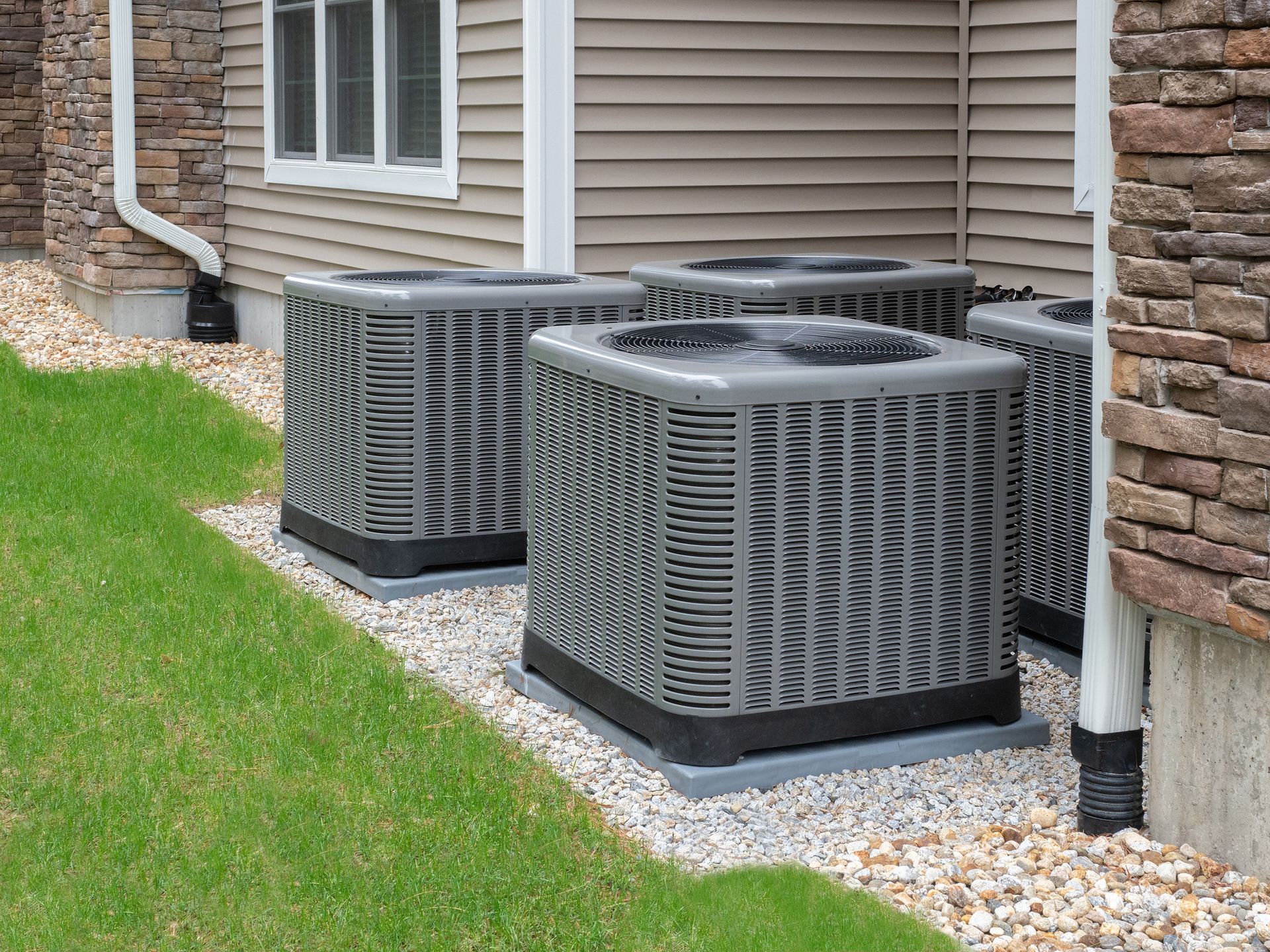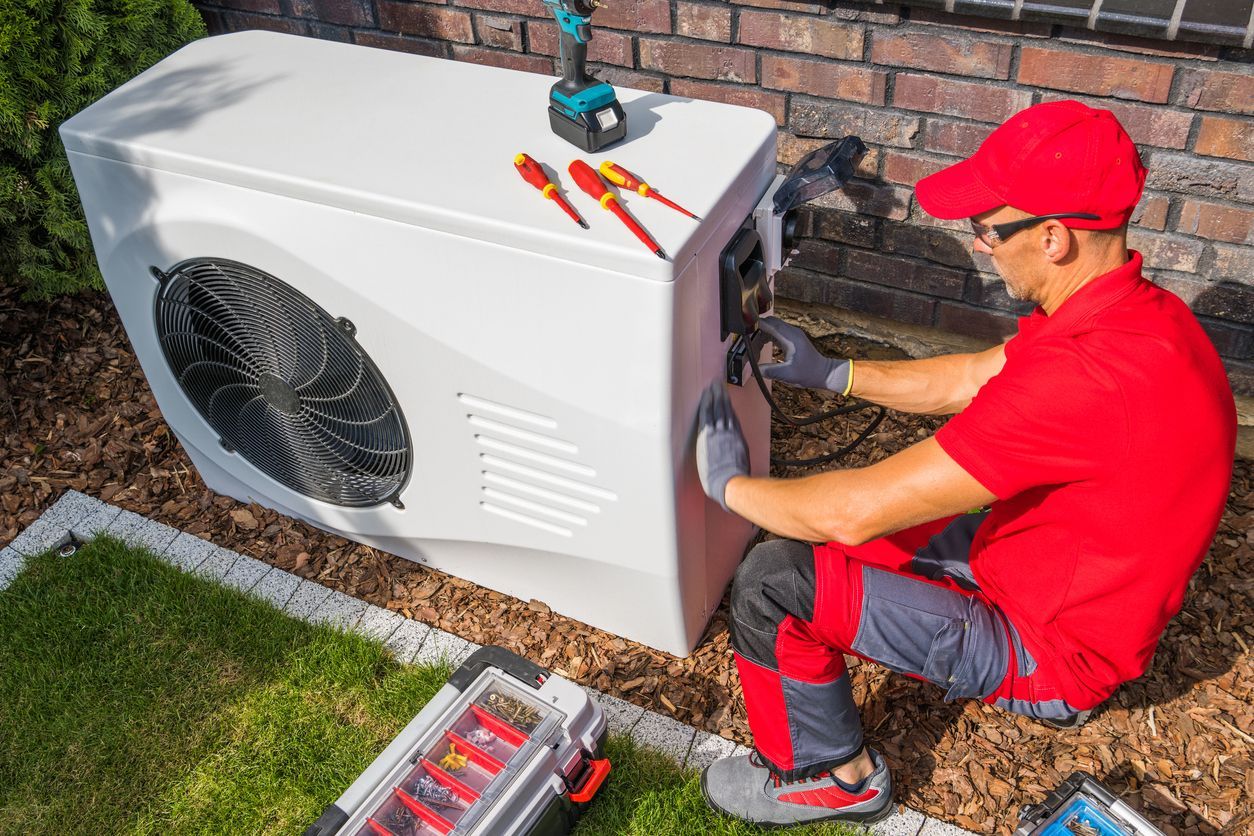
If you’re like most people, you probably don’t think too much about how your air conditioning system works. All you really need to know is that when you switch on the system, your house gets cooler. But if you’re looking to purchase a new air conditioner for your home, it’s a good idea to know how to select the right one to fit the space you’re trying to cool.
Air Conditioning Basics
Air conditioners use Freon as a coolant to remove heat from indoor air and transfer that heat outside. To do this, they cycle the Freon through a closed loop of coils. When the cold Freon enters the cooling coil of the air conditioner, it absorbs heat from the air passing by, thereby lowering the temperature of the air. That cooled air can then be transferred into your home and more warm air can be cycled past the cooling coils.
Air Conditioner Sizing
The more air your air conditioner can cool at once, the larger its load capacity. In order to keep a particular space cool, an AC unit has to have a large enough load capacity to accommodate that type of air volume. A unit that’s too small will obviously never be able to keep your room cool enough, but one that’s too big will have a similar problem.
The truth is that when it comes to air conditioner sizing, bigger is not better. It’s best to simply get as good an estimate as you can of what type of load capacity is ideal for the space you’re trying to cool and stick as close to that as you can.
Load Capacity and Freon
Of course, if you want your air conditioner to cool more air at a time, you’ll need more coolant. But simply increasing the amount of Freon in your air conditioner won’t make it cool any better. Freon is simply one of many elements that contribute to effective cooling. And the larger the entire system is, the more Freon is needed.
So more Freon technically contributes to greater cooling capacity, but it’s not enough to accomplish that all on its own. There is really nothing you can do to increase the load capacity of your air conditioner once it’s in place. So for best results, make sure you pick out an appropriately sized unit the first time around.
The post Freon and Load Capacity – How Are They Linked? first appeared on Clean Air Act Inc..