Furnace vs. Heat Pump: Which Heating System Is Right for a Portland Home?
Portland homeowners have several options when it comes to heating their homes, but furnaces and heat pumps are two of the most common choices. Both can provide dependable warmth during Oregon’s chilly winters, although they operate differently and offer distinct advantages.
If you’re considering a new heating system, comparing a furnace vs. heat pump in Portland, OR, can help you determine which option best fits your home. Factors such as energy efficiency, installation costs, existing ductwork, and long-term operating expenses all deserve consideration before making a decision.
How Furnaces and Heat Pumps Work
A furnace generates heat and distributes warm air throughout your home using ductwork. Gas furnaces burn natural gas to produce heat, while electric furnaces use electrical resistance heating elements. Both systems can maintain comfortable indoor temperatures even when outdoor conditions become particularly cold.
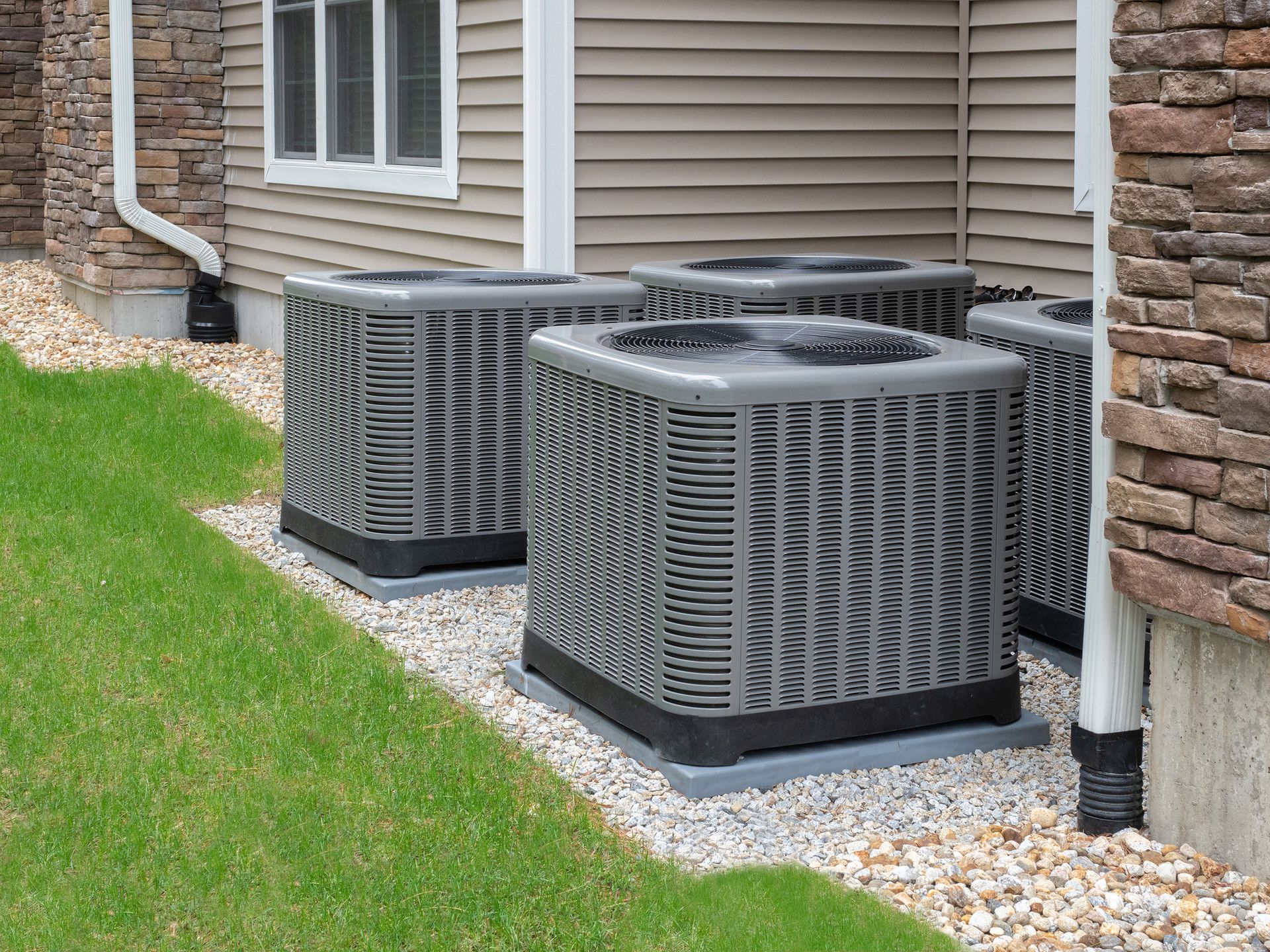
Heat pumps operate differently. Instead of generating heat directly, they transfer heat from the outdoor air into your home. During warmer months, the process reverses, allowing the same equipment to provide air conditioning.
Traditional ducted heat pumps distribute conditioned air throughout the house using existing ductwork, much like a furnace paired with central air conditioning.
Furnace vs. Heat Pump in Portland, OR: Comparing Energy Efficiency
Energy efficiency is one of the biggest differences between these heating systems.
Modern gas furnaces can achieve efficiency ratings of 95% or higher, meaning nearly all the energy contained in the fuel becomes usable heat. However, even highly efficient furnaces must consume fuel to generate warmth.
Heat pumps use electricity to move existing heat rather than produce it. Under favorable conditions, they can deliver several units of heating energy for every unit of electricity consumed.
Portland’s relatively mild winters make heat pumps particularly attractive because they generally operate efficiently in moderate temperatures.
However, efficiency can decline during unusually cold weather. Modern cold-climate heat pumps are designed to maintain heating performance at lower temperatures, although some installations may benefit from supplemental heating.
Installation Costs and Long-Term Expenses
When comparing a furnace vs. heat pump in Portland, OR, upfront installation costs are another important consideration.
Replacing an existing furnace with a similar model may cost less initially, particularly when the home’s ductwork and gas connections are already suitable.
Installing a ducted heat pump may require additional electrical work or equipment modifications. However, homeowners replacing both an aging furnace and air conditioner may find that a heat pump offers a practical alternative.
Operating costs depend on several factors, including:
- Local electricity and natural gas rates
- Equipment efficiency ratings
- Home insulation and heating demands
- Thermostat settings and household preferences
Available rebates and incentives may also affect the total investment. Eligibility and program requirements can change, so homeowners should verify current offerings before purchasing equipment.
Heating Performance During Portland Winters
Portland experiences cool, damp winters with occasional freezing temperatures. Both furnaces and properly sized heat pumps can provide dependable comfort under these conditions.
Gas furnaces typically deliver warmer air through supply vents and can raise indoor temperatures relatively quickly. This makes them appealing to homeowners who prefer the familiar heating characteristics of a traditional furnace.
Heat pumps generally operate for longer periods while delivering steady warmth. Their supply air may feel cooler than furnace-heated air, even when the system is maintaining the desired indoor temperature.
A professional heating assessment can determine whether a particular heat pump model can meet the home’s heating requirements during colder weather.
Cooling Capabilities and Existing Equipment
Another consideration when evaluating a furnace vs. heat pump in Portland, OR, is whether your home already has central air conditioning.
A furnace provides heating only, so homeowners who want central cooling generally need a separate air conditioning system.
A ducted heat pump provides both heating and cooling through one system. This can simplify equipment replacement when an existing furnace and air conditioner are approaching the end of their service lives.
Homes without central ductwork may require a different approach, as ductless mini splits can serve individual rooms or multiple zones.
Which Heating System Makes More Sense for Your Home?
The best choice depends on your home’s characteristics and your priorities.
A gas furnace may be appealing if you already have reliable central air conditioning, suitable gas infrastructure, and a preference for traditional forced-air heating.
A ducted heat pump may make more sense if you want efficient electric heating and cooling from one system.
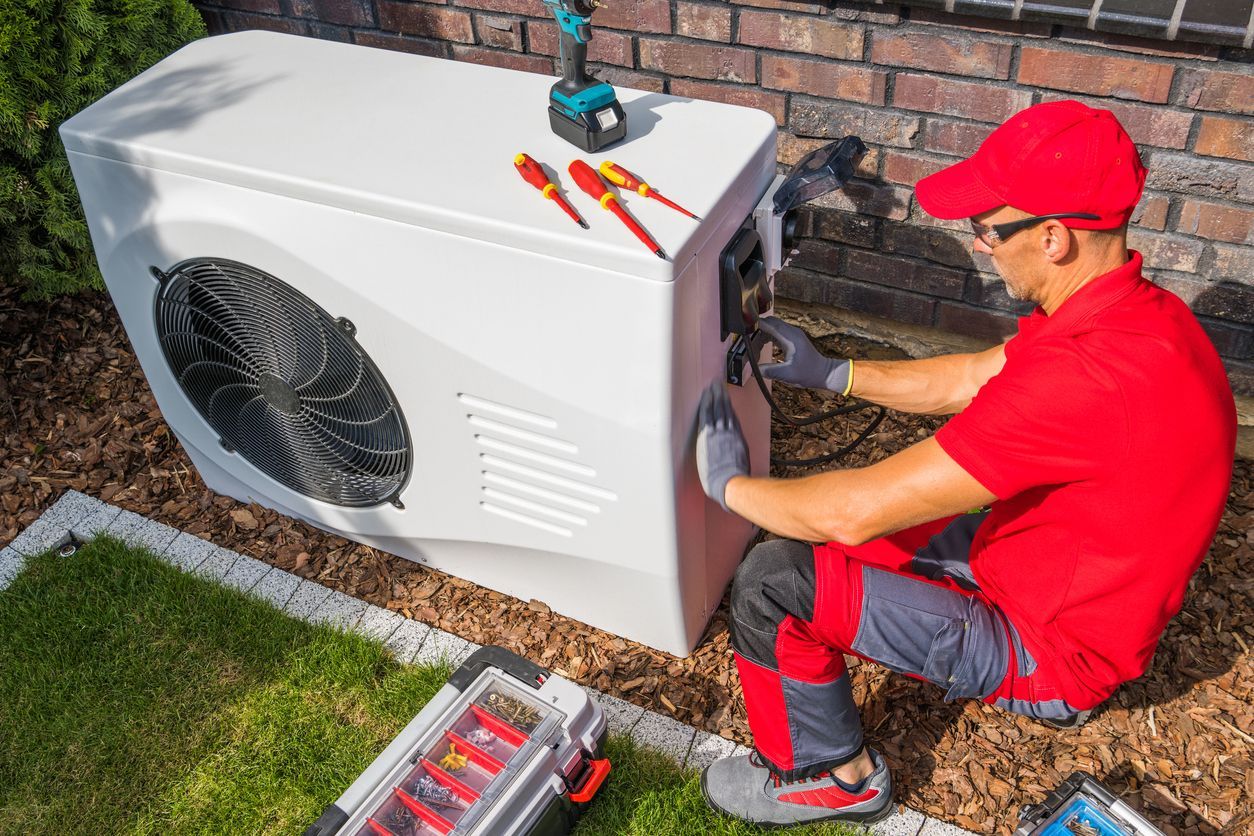
Before choosing, a qualified technician should evaluate your home’s heating load, ductwork condition, electrical capacity, and existing equipment.
Get Professional Heating Guidance From The Clean Air Act
Choosing between a furnace vs. heat pump in Portland, OR, is easier with professional guidance tailored to your home.
At The Clean Air Act, we install and service gas furnaces, electric furnaces, and ducted heat pumps throughout the Portland area. Our technicians can evaluate your existing system, discuss replacement options, and recommend equipment suited to your heating and cooling needs.
Contact The Clean Air Act today to
schedule a heating consultation and find the right system for your home.